
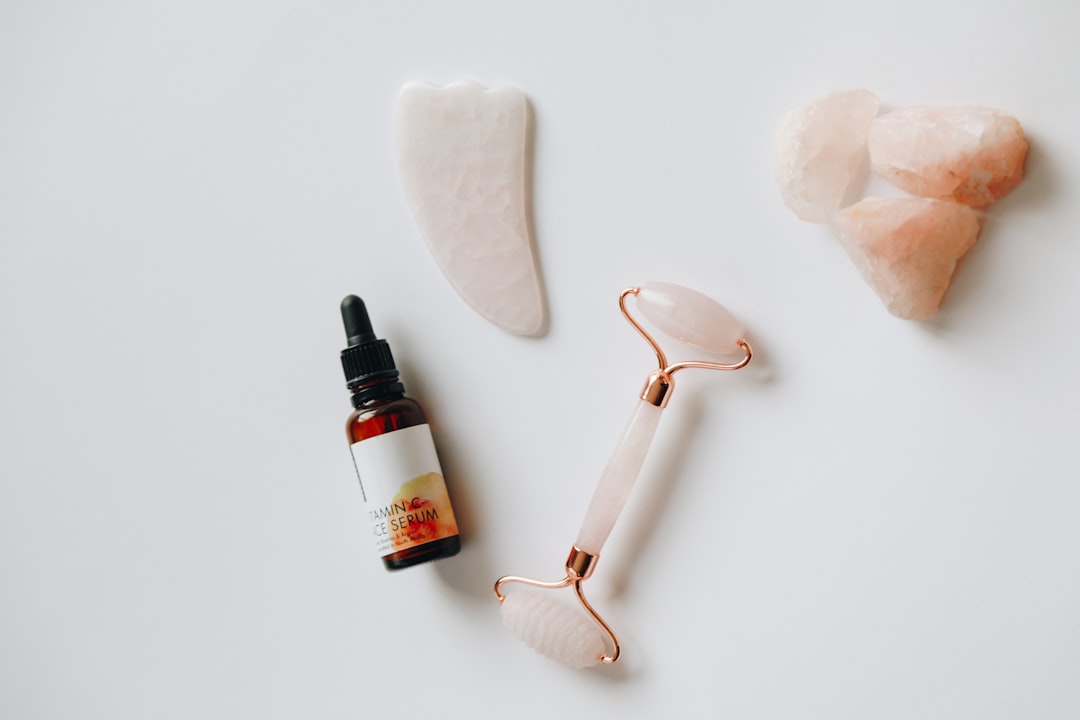
Good skin care is not only about the products you apply — the tools you use can make a measurable difference in how effectively those products work and how your skin looks and feels day to day. The right implements can improve cleansing, boost absorption, encourage circulation, and make a short routine feel more luxurious and effective.
This guide breaks down practical, trustworthy skin care tools you can incorporate into a daily routine, how to use them safely, and how to choose the right one for your skin type and goals.
Why tools matter: targeted benefits without overcomplication
Tools extend the function of skincare products. They can improve mechanical cleansing, stimulate lymphatic flow, increase product penetration, and offer consistent exfoliation. When selected and used correctly, a few simple tools reduce waste, make routines faster, and help deliver visible, manageable improvements without dramatic claims.
Daily cleansing tools: sonic brushes, konjac sponges, and silicone pads
Effective cleansing is the foundation of any routine. Sonic cleansing brushes (gentle, low-speed modes) and konjac sponges give deeper, controlled cleansing than hands alone. Silicone cleansing pads are gentle, quick to dry, and less likely to harbor bacteria if cleaned properly.
Look for soft bristles or low-frequency vibration settings for sensitive skin, and avoid aggressive scrubbing. Replace or sanitize sponges and brush heads on a schedule to keep bacteria growth in check. For product options and gentle cleansers, browse the site’s dedicated Skin Care collection to pair tools with suitable formulations.
Massage tools: gua sha, jade rollers, and lymphatic massage
Manual massage tools like gua sha stones and rollers improve circulation and help with temporary de-puffing when used correctly. The motion should be gentle and always upward or outward from the center of the face to encourage lymphatic drainage rather than pushing fluid toward the eyes.
Tools made from stone, metal, or silicone all have different weights and thermal properties: cool stones feel soothing for puffiness, while metal tools warm quickly and can feel more sculpting. If you want a selection tailored toward face and body relaxation, the site’s Massage & Spa category can be a helpful place to explore options that pair well with facial oils or serums.
At-home devices: LED, microcurrent, and sonic boosters
Light-based and electrical devices can be useful when chosen carefully. Low-level LED masks offer gentle phototherapy that may help skin tone and texture over time, while microcurrent tools act like a subtle workout for facial muscles to enhance firmness when used consistently.
Important safety notes: follow manufacturer instructions, start on lowest settings, limit session frequency as directed, and never use damaged devices. If you prefer shopping from a health and beauty selection geared toward personal-care devices and accessories, check the Personal Care category for compatible tools and supportive products.
Steamers, sprays, and aromatherapy: support absorption and relaxation
Facial steamers open pores briefly and make skin more receptive to serums and masks; hydrating mists can lock in moisture between steps. Steam is best used for short sessions (a few minutes) and never at a temperature that’s uncomfortable.
Pairing steam or a calming scent with your routine improves consistency and experience. If you enjoy incorporating aromatherapy or diffused scents into your skin-care time, look at the Essential Oils & Diffusers selection to find gentle, high-quality options for a soothing ritual.
Tools for targeted concerns: exfoliation, spot treatment, and body care
Not all tools belong on the face. Microfiber body pads, silicone body brushes, and long-handled sponges help keep body skin smooth and clean. For facial exfoliation, devices like home-use dermaplaning tools or chemical exfoliant applicators should be used sparingly and with clear technique.
Avoid over-exfoliation: less is often more. For spot treatments (e.g., precise application of actives), use clean cotton swabs or tools designed for controlled dosing rather than fingers to reduce contamination and improve accuracy.
Choosing and caring for your tools: hygiene, materials, and timing
Material matters: silicone and stainless steel resist bacteria and are easy to clean; natural sponges and stone need more attention. Clean tools after every use with gentle soap and hot water, air-dry fully, and replace porous items on the recommended schedule.
Match intensity to skin needs. If you have sensitive skin, choose soft bristles, low vibration modes, and avoid aggressive exfoliating tools. When in doubt, introduce one tool at a time and track how your skin responds over 2–4 weeks.
Checklist: quick guide to integrating tools safely
- Start slow: introduce one tool at a time and use lower settings first.
- Prioritize hygiene: wash tools after use and dry completely.
- Know your skin: choose gentle options for sensitive or barrier-compromised skin.
- Use compatible products: apply serums/creams appropriate for tool-assisted absorption.
- Limit frequency: avoid daily aggressive exfoliation; follow device guidelines.
- Store properly: keep tools in a clean, dry place away from humidity.
FAQ
- How often should I use a sonic cleansing brush?
For most people, once daily is sufficient—use the gentle setting and monitor for irritation. Some with oily skin may tolerate twice daily; adjust based on how your skin responds.
- Can a jade roller replace professional treatments?
No. Jade rollers can help with immediate puffiness and circulation but are a complementary at-home step, not a substitute for clinical procedures when those are needed.
- Are at-home LED masks safe?
LED devices that follow safety standards and have clear usage instructions are generally safe. Avoid looking directly into bright LEDs and stop use if you experience adverse reactions. Follow manufacturer guidance for session length and frequency.
- How do I prevent bacteria on sponges and brushes?
Rinse thoroughly after each use, wash weekly with warm soapy water, air-dry fully, and replace according to product guidance (often every 3 months for sponges, brush heads per manufacturer).
- Which tool gives the best product absorption?
Tools that gently massage product in—like silicone massagers or low-level microcurrent devices—can improve absorption. Effective absorption also depends on product formulation and skin condition.
Practical takeaway: pick two to three tools that address your primary concerns (one gentle cleanser, one massage or sculpting tool, and one device or steamer if desired), learn proper technique, and maintain strict hygiene. Consistent, careful use will enhance your routine without adding complexity.