
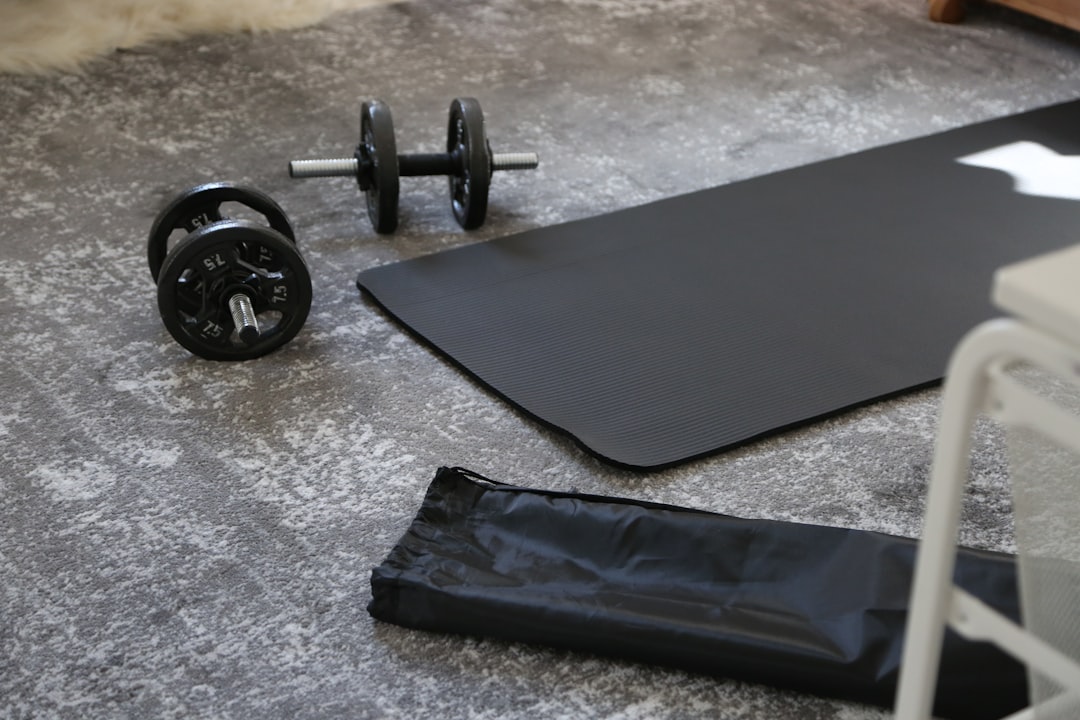
How to Fix Lower Back Pain with Simple Home Fitness Gear
Lower back pain is one of the most common complaints for people who sit all day, lift awkwardly, or skip core and mobility work. The good news: many cases respond well to consistent movement, targeted strengthening, and a few budget-friendly tools you can use at home.
This guide walks through practical, equipment-focused strategies you can start today. If you want to explore curated items that help with recovery and self-care, see the site’s Wellness & Self-Care collection for inspiration.
Why movement and simple gear work for most lower back pain
Lower back discomfort is often a mix of weak posterior chain (glutes and hamstrings), poor core endurance, tight hips/hamstrings, and stiff thoracic mobility. Gentle, consistent exercise improves blood flow, reduces stiffness, and retrains movement patterns. Small tools simply make those exercises easier, safer, and more comfortable.
Essential home fitness gear for targeting lower back pain
You don’t need a full gym. The most useful pieces are small, inexpensive, and versatile:
- Foam roller and a lacrosse/massage ball — for self-release and improving tissue mobility.
- Resistance bands (heavy and light) — for glute, hip, and core strengthening without heavy weights.
- Stability (exercise) ball — for core progression, gentle lumbar support, and bridging variations.
- Yoga mat — to protect knees and provide a stable surface for mobilities.
- Adjustable dumbbell or kettlebell (optional) — for progressive hip-hinge strength work.
These tools let you build a balanced program: mobility, activation, strength, and low-impact cardio.
Safe self-massage: how to use a foam roller and ball
Self-massage can reduce tightness in muscles that pull on the lower back. Don’t roll directly over the lumbar spine; focus on adjacent areas.
- Thoracic foam rolling: Lie on the roller under your shoulder blades, cross your arms, and gently roll from mid-back to upper-back. Pause at tight spots for 20–30 seconds while breathing deeply.
- Glute release with a lacrosse ball: Sit on the ball and place it under one buttock. Move slowly to find tender spots, hold pressure for 20–40 seconds, then switch sides. This relieves tension in the piriformis and glute medius that often refer pain to the low back.
- Hamstring and IT band: Use light pressure and avoid aggressive rolling on sensitive areas; apply sustained pressure to stuck points rather than fast rolling.
For more recovery-focused tools and products that support these techniques, browse the site’s Massage & Spa category to find rollers, balls, and massage oils.
Core and posterior chain exercises that stabilize the lumbar spine
Strong, coordinated core and hip muscles protect the low back. Start with bodyweight progressions and add resistance bands or light weights as you get stronger.
- Glute bridge: 3 sets of 10–15 reps. Squeeze the glutes at the top; avoid overextending the low back.
- Bird dog: 3 sets of 8–12 reps per side. Keep hips level and reach through opposite arm and leg—slow and controlled.
- Dead bug: 3 sets of 8–12 reps per side. Focus on keeping a small neutral curve in the lumbar spine and pressing the lower back gently toward the floor on the exhale.
- Banded good morning: loop a medium band across shoulders, hinge at hips keeping a tall chest; 3 sets of 10–12 reps for posterior chain activation.
Progress by increasing reps, adding light resistance, or slowing tempo. Quality of movement matters more than quantity.
Mobility routines with a stability ball
The stability ball is excellent for improving lumbar and hip mobility while building core endurance.
- Ball-supported back extensions: Lie face-down on the ball with feet anchored; lift chest slightly for 3 sets of 8–12 gentle reps—great for activating spinal extensors without heavy loading.
- Supine bridge with ball under feet: Elevates difficulty and challenges stability—2–3 sets of 10–15 reps.
- Seated pelvic tilts on the ball: 2–3 minutes of slow circular and anterior/posterior tilts to retrain pelvic control.
Use the ball for progressions as your coordination and endurance improve.
Low-impact cardio options that help recovery
Consistent low-impact cardio improves circulation and supports healing without jarring the spine. Cycling, brisk walking, and rowing are top options.
If you prefer a compact home machine that delivers a low-impact, full-body option, a quality rower provides cardiovascular benefit while reinforcing hip-hinge mechanics. Consider equipment like the Sunny Health & Fitness Compact Full Motion Rowing Machine for short daily sessions (10–20 minutes) at light-to-moderate intensity.
Ergonomics and small habit changes for everyday relief
Sitting posture and micro-habits often perpetuate back pain. Small tools and adjustments can reduce strain throughout the day.
- Use a lumbar roll or a supported cushion when seated to maintain a gentle lumbar curve.
- Stand and move every 30–45 minutes—set a timer to get up and do a short mobility drill or walk for 2–5 minutes.
- At your workstation, a small footrest can improve pelvic alignment and reduce lumbar load when paired with proper chair height. A simple option is the CushZone Foot Rest, which offers graded support for different leg positions.
Putting it together: a simple weekly plan
Start with modest frequency and build consistency. Example 4-week template for non-acute pain:
- 3× week strength+activation session (20–30 minutes): glute bridges, bird dogs, dead bugs, banded good mornings.
- Daily mobility/self-massage (5–10 minutes): thoracic rolling, glute ball release, hamstring stretches.
- 4–5× week low-impact cardio (10–20 minutes): walking or rowing at an easy pace.
- Daily ergonomic checks: stand every 30–45 minutes and use lumbar support or footrest as needed.
Adjust volume based on how your body responds. If pain increases or you notice new neurological symptoms (numbness, weakness, or bowel/bladder changes), stop and seek medical advice.
Checklist: quick action items
- Get one or two basic tools: foam roller and resistance band.
- Commit to 10 minutes daily of mobility/self-care and 2–3 strength sessions weekly.
- Use a footrest or lumbar support and stand regularly during the workday.
- Start slow, track progress, and increase load gradually.
- See a healthcare professional if symptoms worsen or include nerve signs.
FAQ
Q: How soon will I feel better?
A: Many people notice reduced stiffness within days of regular mobility work, while strength and lasting improvements often take 4–8 weeks of consistent effort.
Q: Can I exercise if I have sharp or radiating pain?
A: Sharp or radiating pain, especially with numbness or weakness, warrants prompt medical evaluation. For non-radiating, mechanical pain, gentle movement is usually safe—start conservatively and monitor symptoms.
Q: Which is better: foam roller or massage ball?
A: Both are useful. Foam rollers work well for larger muscles like the thoracic spine and hamstrings; a small massage ball targets deeper, stubborn spots in the glutes and piriformis.
Q: How much resistance should I use with bands?
A: Start with a band that lets you complete 10–15 controlled reps with good form. If you can do 20+ easily, move to a heavier band or add more challenging progressions.
Q: Do I need a fitness test before starting?
A: No formal test is required for gentle mobility and bodyweight exercises. However, if you have medical conditions or recent injury/surgery, check with your provider for tailored guidance.
Conclusion — practical takeaway
A small set of home fitness tools plus a focused plan can significantly reduce many causes of lower back pain. Prioritize daily mobility, targeted glute/core strength, low-impact cardio, and ergonomic habits. Start with gentle progressions, use supportive gear as needed, and seek professional care for severe or worsening symptoms.
Products Featured in This Article

