
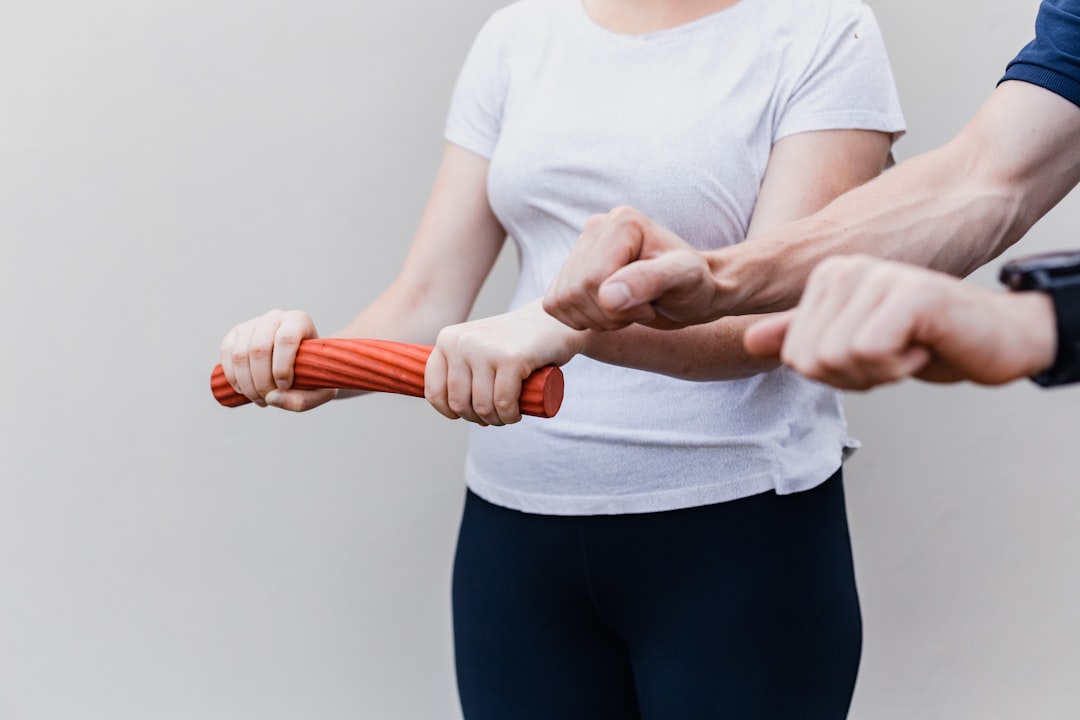
Easy Recovery Tools for Sore Muscles and Body Pain
Everyday aches—from a long day at work, a tough workout, or carrying heavy loads—can slow you down. The good news: you don’t need complicated routines or expensive treatments to feel better. With a few targeted tools and consistent habits, you can reduce soreness and speed recovery.
This post outlines practical, trustworthy options you can use at home, why they work, and how to combine them into a simple, effective routine.
Why quick recovery matters
Short recovery times reduce the chance of compensatory injuries, improve mobility, and keep you consistent with activity. Soreness is a normal response to stress, but persistent stiffness or pain can be addressed with low-risk measures like topical treatments, massage tools, and simple movement.
Topical treatments: oils, balms, and creams
Topical products provide fast local relief by improving circulation and reducing tension in the tissue. Lightweight massage oils help hands glide during self-massage and paired with gentle pressure can break up tight spots. Consider using a product formulated for massage that absorbs well and contains soothing ingredients.
One convenient option to add to your home kit is this massage oil blend designed for therapy and relaxation: Massage Oil for Massage Therapy. Use sparingly, test on a small skin area first, and apply with light to medium pressure depending on sensitivity.
Manual tools: rollers, balls, and targeted massagers
Manual tools let you apply controlled pressure to sore spots without relying on another person. Foam rollers and lacrosse balls are inexpensive and effective for large muscle groups and trigger points. For more targeted or intensive work, consider compact handheld devices that are built to reach deeper tissue safely.
For example, a targeted lymphatic and scar-tissue massager is useful for working thighs, glutes, back, and tight patches: COZLOW Lymphatic Drainage Massager. Tools like this can increase circulation and mobility when used correctly—keep sessions short (2–5 minutes per area) to avoid overworking tender tissue.
Heat and cold therapy: when to use each
Heat increases blood flow and relaxes tight muscles; cold reduces inflammation and numbs acute pain. Use cold (ice packs, chilled gel wraps) within the first 24–48 hours after an acute injury or when swelling is present. Use heat (warm compress, heating pad) for chronic stiffness, muscle spasms, or before a mobility session to loosen tissue.
If you prefer a spa-like approach and want curated recovery accessories, check products in the site’s recovery and spa category for safe, at-home options: Massage & Spa. Choose items with clear temperature guidance and timers to prevent burns or overuse.
Stretching, foam rolling, and posture work
Movement-based recovery complements tools. Short mobility sessions—dynamic warm-ups before activity and gentle stretching after—help restore range of motion. Foam rolling can loosen adhesions and prepare muscles for deeper work. Focus on slow, controlled movements and breathe through discomfort rather than forcing a stretch.
Include posture checks throughout the day: adjust chair height, support your lower back, and stand/move every 45–60 minutes to prevent prolonged loading of the same tissues.
Aromatherapy and small extras that support recovery
Aromatherapy can improve relaxation, sleep quality, and perceived pain, which all matter for recovery. Tea tree and other essential oils are often used for topical blends and diffusers—tea tree has antimicrobial properties and a fresh scent that many find invigorating. For DIY blends and diffusing options, consider pure essential oil sets that are safe for home use: MAYJAM Tea Tree Essential Oil Gift Set.
When using essential oils, dilute for topical use (carrier oil + essential oil) and follow safety guidance—avoid applying undiluted to skin and keep away from eyes and sensitive areas.
Sleep, rest, and supportive gear
Recovery is mostly done while you rest. Aim for consistent sleep, and use simple aids: a comfortable pillow that supports neck alignment, a mattress that matches your body type, and supportive footwear if you’re on your feet a lot. Small items—like an ergonomic cushion or a footrest—can reduce daily strain and speed recovery over weeks.
Simple daily routine to speed recovery
Consistency is more effective than intensive one-off efforts. A 10–15 minute daily recovery routine can prevent soreness from piling up:
- 2–3 minutes: contrast or warm compress on the most sore area
- 5 minutes: targeted self-massage with oil and a manual tool
- 5 minutes: mobility and light stretching focused on the area
- Daily: good sleep habits and posture breaks during the day
Quick checklist: home recovery essentials
- Massage oil or topical balm for glide and soothing (patch-test first)
- Foam roller and a small firm ball for trigger-point work
- Targeted handheld massager for deeper work (short, controlled sessions)
- Reusable cold pack and a safe heating pad or warm compress
- Small set of essential oils and a diffuser for relaxation
- Supportive pillow and posture-supporting seating
FAQ
- How often should I self-massage sore muscles?
Start with once a day for 5–10 minutes on the area; reduce intensity if pain increases. Short, regular sessions beat long, aggressive ones. - Can I use heat and cold on the same day?
Yes—use cold for recent swelling or sharp pain, heat for stiffness. Alternating can be helpful but keep each application 10–20 minutes and monitor skin response. - Are essential oils safe to apply to the skin?
Only when diluted in a carrier oil and after patch-testing. Some oils are irritating—use small amounts and discontinue if irritation occurs. - When should I stop self-treatment and see a professional?
Seek care if pain is severe, worsening, associated with numbness, tingling, fever, or limits daily activities despite conservative measures. - Do I need expensive equipment to recover effectively?
No. Consistent use of basic tools (roller, ball, topical oil, heat/cold) and good movement habits typically produce meaningful improvement.
Conclusion
Recovery for sore muscles and body pain doesn’t have to be complex. Combine basic topical treatments, targeted tools, and sensible heat/cold use with daily movement and rest. Start small—pick two tools from the checklist, use them consistently for two weeks, and you’ll often notice better mobility and less pain. Practical, steady care wins over occasional extremes.
Products Featured in This Article

MAYJAM Tea Tree 20 Pcs Pure Essenti…
Wonderful Scent: Our essential oils are highly concentrated liquids that are derived from flowers, leaves, and…

Massage Oil for Massage Therapy,Lym…
Ginger Oil Lymphatic Drainage-Arnica Oil Sore Muscle Massage Oil:Expertly formulated with natural ingredients, such as arnica…
