
Simple Fitness Accessories That Support Better Posture
Good posture isn’t just about standing tall — it affects breathing, energy, comfort, and how your body responds to movement. You don’t need expensive gear or a complicated routine to make meaningful improvements. A handful of simple, well-chosen fitness accessories can provide support, cue better alignment, and help you build posture-friendly habits.
This guide walks through practical accessories that are easy to add to your daily life, how to use them effectively, and what to look for when shopping. Each item supports posture in a specific way — by changing how you sit, helping you engage the right muscles, or speeding recovery after workouts.
Why small accessories matter
Accessories are leverage: a small tool can reduce strain, decrease compensatory movement patterns, and remind you to move differently. For example, a footrest under your desk can shift your hips into a more neutral position and reduce low-back rounding. Consistent small adjustments compound into better alignment and fewer aches over time.
Ergonomic desk essentials: support where you spend hours
If you work at a desk, start with items that change your sitting dynamics. An angled footrest, lumbar support cushion, and an adjustable monitor riser are inexpensive but high-impact. A footrest helps stabilize your pelvis and encourages an engaged core rather than slouching. Consider a supportive model like CushZone Foot Rest to customize height and tilt for your setup.
Wearable posture aids and supportive apparel
Not every posture aid needs to look clinical. Light posture braces and targeted clothing can cue your shoulders and upper back without forcing unnatural positions. Compression tops, supportive sports bras, and built-in-posture tees provide passive feedback so you notice when you’re collapsing forward.
When shopping, prioritize breathability, a non-restrictive fit, and adjustable tension. If you want a quick place to compare supportive options and complementary apparel, check category options at Clothing.
Resistance bands and movement-based accessories
Movement is the best long-term posture tool. Resistance bands, mini-bands, and lightweight loop trainers are inexpensive and versatile: use them for shoulder external rotation, band pull-aparts, and scapular retractions to strengthen the muscles that keep your shoulders back and chest open. A posture-focused routine can be as short as 5–10 minutes daily.
Other movement tools like a balance pad or stability ball encourage core engagement and teach your body to stabilize through the pelvis. Use them during short practice sessions — slow, controlled repetitions are more effective than rushing through many reps.
Tech reminders and posture-tracking devices
If you struggle to remember posture cues, small tech tools can help. Timers, stand reminders, and posture trackers (wearables or clip-on sensors) provide timely vibration or notifications that prompt you to reset. Some trackers pair with apps to show progress and posture trends, which can be motivating.
For a starting point to explore supportive gadgets and digital wellness tools, browse the selection under Tech & Gadgets — look for simple devices that focus on cues and behavior change rather than invasive correction.
Recovery tools: massage and mobility aids
Posture improves faster when tight muscles are released and sore tissues recover. Foam rollers, lacrosse balls, and portable massagers reduce tension in the thoracic spine, lats, pecs, and glutes — areas that commonly pull you out of neutral alignment.
Hands-on tools and spa-quality items also support consistent recovery. If you incorporate self-massage or need durable recovery tools, check options in the Massage & Spa category for suitable products to add to your routine.
Simple posture-friendly exercise equipment
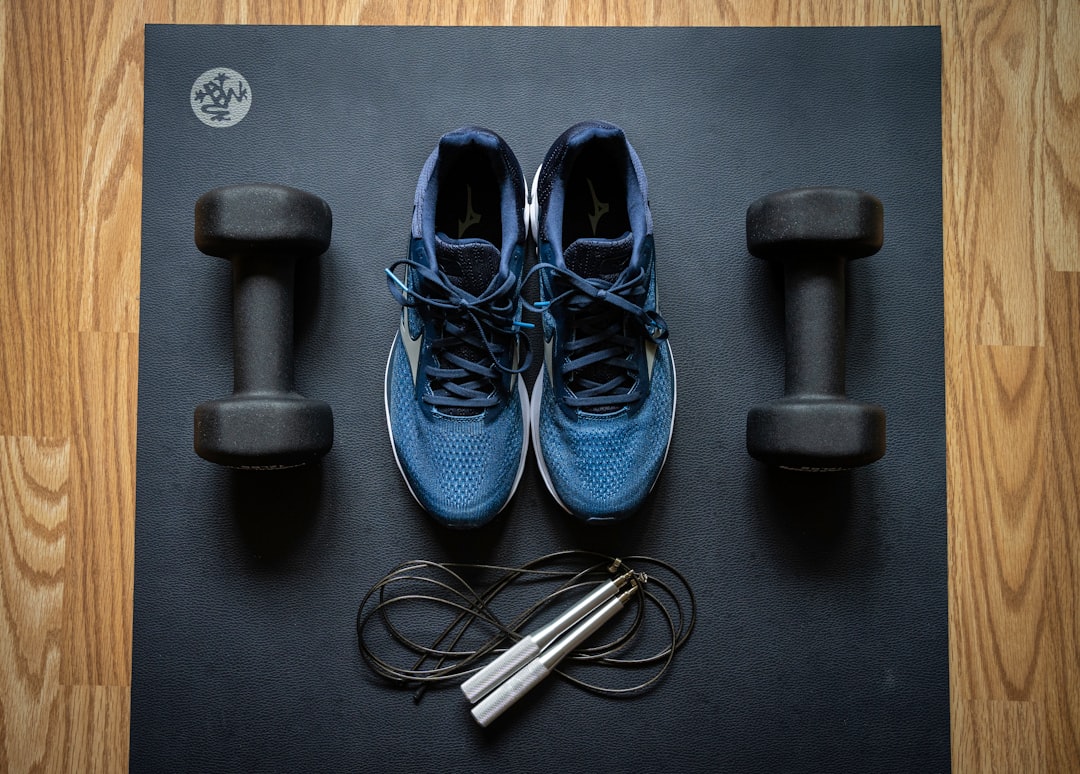
Some home gym pieces double as posture trainers. A compact rowing machine, for example, trains the posterior chain with controlled hip hinge mechanics and scapular retraction if used with good form. Light dumbbells, kettlebells, and a pull-up band also reinforce upright posture when exercises prioritize shoulder blades down and back.
Quality matters less than consistent, mindful use: begin with mobility and scapular-strengthening movements and progress to heavier resistance only when technique is solid.
Practical habits to pair with accessories
Accessories are most effective when paired with simple habits: set hourly movement reminders, perform five minutes of scapular mobility before long sitting periods, and do a short loaded posture routine after work. Use tools as cues — e.g., when you step onto a balance pad, perform three posture resets or 10 band pull-aparts.
Quick checklist: Essential posture-support accessories
- Adjustable footrest (tilt + height) — stabilizes pelvis
- Light posture brace or supportive top — shoulder cueing
- Resistance bands and mini-band — scapular and posterior chain strength
- Foam roller or massage ball — release tight thoracic muscles
- Timer or posture tracker — regular movement reminders
- Stability tool (balance pad or ball) — core engagement practice
FAQ
Q: How long before I see posture improvement?
A: Small changes can feel noticeable in days (reduced stiffness), but measurable posture improvement typically takes 6–12 weeks with consistent daily practice and accessory use.
Q: Can posture accessories cause dependence?
A: Choose passive supports with a goal: use them to train habits, not to replace muscle engagement. Gradually reduce reliance as strength and awareness improve.
Q: Which accessory should a desk worker buy first?
A: Start with an adjustable chair or a footrest and a lumbar cushion. These items immediately change sitting mechanics and reduce low-back strain.
Q: Are posture correction shirts effective?
A: They can provide gentle feedback and tactile cues. Combine them with strengthening and mobility work for best results.
Q: How do I choose a posture tracker?
A: Pick a tracker with simple reminders and minimal setup. Battery life, comfort, and whether it pairs with an app are key considerations.
Conclusion: One practical takeaway
Start with one high-impact accessory that fits your daily routine (desk footrest, a resistance band, or a foam roller). Use it consistently as a cue to practice a specific posture habit for 5–10 minutes daily. Small tools plus small habits add up to lasting alignment improvements without complicated plans.
Products Featured in This Article
