
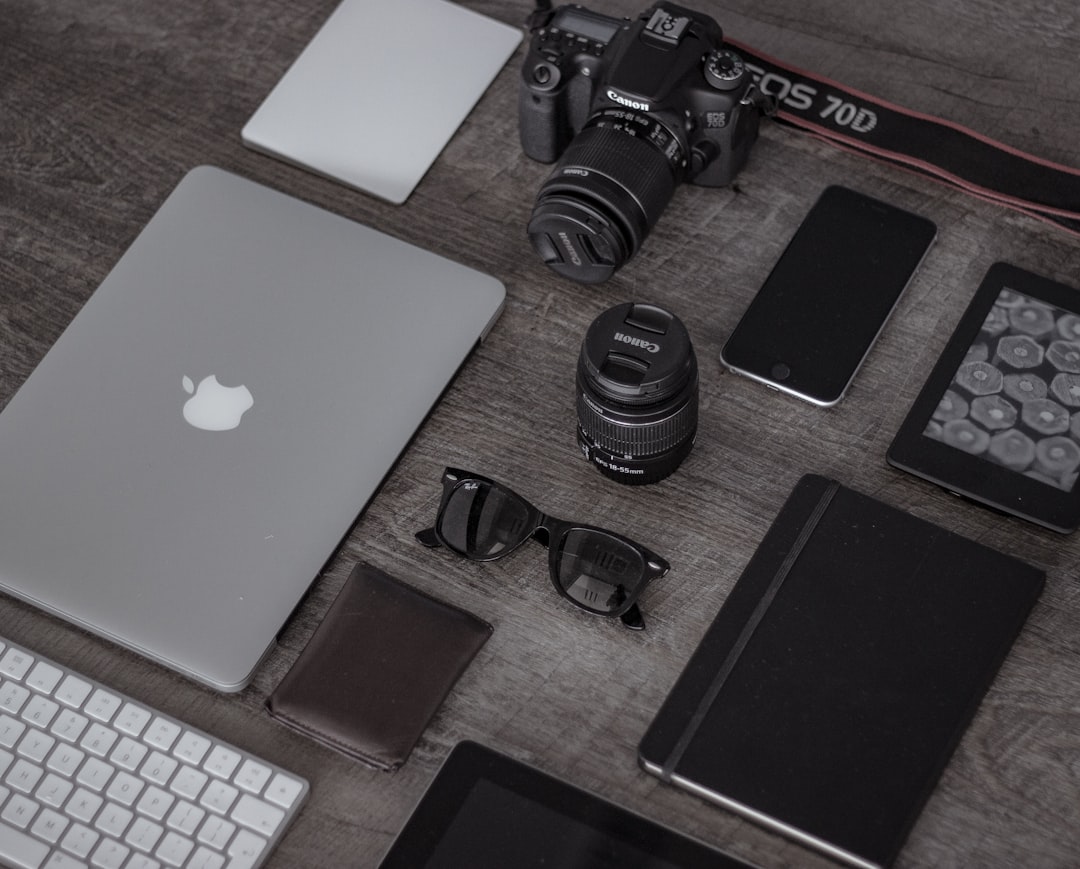
Everyday Tech Gear That Helps You Stay More Organized
Staying organized doesn’t require radical life changes—sometimes the right everyday tech can reshape how you manage time, tasks, and spaces. Practical tools reduce friction: fewer apps, smarter devices, and reliable peripherals that simply work.
If you’re starting to build a setup or upgrade what you already have, focus on solutions that solve the problems you actually face: connectivity, clutter, and quick access to information. For a curated selection of sensible hardware, browse the site’s Tech & Gadgets offerings to find items that support a more organized life.
Why everyday tech matters for organization
Organization is a system, not a single device. Tech that supports that system must be reliable, low-maintenance, and versatile. Good hardware keeps digital clutter under control, ensures consistent access to tools and files, and frees mental energy for meaningful tasks.
When selecting products, prioritize compatibility (works with other devices), simplicity (easy to set up and use), and durability (won’t need constant replacement). Below are practical categories and devices that have repeatedly proven useful for staying organized day-to-day.
Reliable home networking: the foundation
Fast, stable internet is the single most impactful upgrade for a streamlined digital life. When your network is quick and dependable, cloud syncs complete without errors, video calls run smoothly, and smart devices stay connected.
For homes that juggle multiple devices—laptops, tablets, phones, smart speakers, cameras—consider a modern router with Wi‑Fi 6 capabilities and mesh support where needed. A product like the Cudy AX3000 router provides the speeds and range to reduce dead zones and support simultaneous connections, which cuts down on frustrated resets and lost data during syncs.
Smartphones: your portable command center
Smartphones combine calendar, notes, photo capture, and communication into one device—so keeping the phone organized has outsized benefits. Use a consistent set of apps for tasks and calendar entries, enable automatic backups, and adopt quick-capture habits for receipts and ideas.
If you’re considering a new phone or accessories that keep your mobile workflow tidy—pocket organizers, chargers, or mounts—check the curated Smartphones & accessories section for options that suit daily use and travel.
Peripherals that simplify your workspace
A clutter-free desk and dependable input devices accelerate focused work. Wireless peripherals eliminate cord tangles and make it easy to change locations without disruption. A simple, robust keyboard-and-mouse set can significantly reduce friction when switching between devices or working long hours.
For reliable basic peripherals that won’t distract with unnecessary features, the Logitech MK235 combo is a practical choice: compact, battery-efficient, and compatible with most computers. Pair such peripherals with a minimal desk layout—only essential items within reach—to keep visual clutter low and workflow steady.
Cloud storage, sync, and backup strategies
Organization is only as durable as your backups. Use cloud services to sync critical files across devices and set a schedule for local backups (external drive or NAS) for larger archives. Name files consistently and use folders sparingly—structure that’s too deep becomes difficult to navigate.
- Adopt a naming convention: YYYY-MM-DD_description_version
- Sync important folders (documents, receipts, photos) automatically
- Archive old projects monthly to reduce active-folder clutter
Regularly audit what’s syncing. If a sync error keeps recurring, investigate immediately—delays or duplicates create more work than a simple periodic maintenance habit.
Smart home devices and reminder systems
Smart assistants, smart plugs, and connected calendars reduce the number of things you have to remember. Use voice shortcuts to add quick reminders, automate routine lighting to signify “work time” vs “family time,” and centralize device controls in one app where possible.
Design reminders around behavior: set location-based prompts for errands, time-based cues for bill payments, and recurring tasks for cleaning or maintenance. Keep automation visible—when schedules change, a single quick update should adjust all linked devices rather than leaving manual checks to be remembered later.
Maintenance, habits, and minimizing app overload
Tech supports organization when you use it consistently. Create a weekly 15–30 minute maintenance routine: clear inboxes, review calendar, tidy digital files, and update to-do lists. Limit the number of task and note apps to one each—multiple systems multiply context-switching and lost tasks.
Enable push notifications only for essential apps. Too many alerts fragment attention and defeat the purpose of tech-based organization. Finally, schedule “deep focus” blocks where notifications are paused so you can process tasks uninterrupted.
Practical accessories that matter
Small accessories often deliver big organizational gains: cable organizers, a magnetic desk tray for small items, a portable charger with pass-through power, and a camera or scanner for digitizing receipts and documents quickly. Pick accessories that solve a single problem well rather than ones with many underused features.
- Label chargers and cables for each device
- Use a simple desk tray for daily essentials (keys, wallet, earbuds)
- Keep a small scanner app or device handy for quick digitizing
Quick checklist: tech habits to adopt today
- Set up automatic cloud backups for photos and important files
- Consolidate tasks into one app and review it daily
- Use a modern router to minimize connectivity issues
- Choose wireless peripherals to reduce desk clutter
- Schedule a weekly 20-minute digital declutter session
FAQ
-
Which single upgrade gives the biggest organizational boost?
Reliable networking—upgrading to a modern router or mesh system—usually provides the largest immediate improvement because so much depends on a stable connection.
-
How many productivity apps should I use?
Aim for one primary task manager, one calendar, and one note-taking app. More than that increases the chance of losing tasks in the gaps between systems.
-
Are wireless peripherals really worth it?
Yes—the flexibility to shift locations and the reduced cable clutter typically improve workflow and make maintaining an orderly workspace easier.
-
How often should I back up my files?
Critical files: daily; routine documents and photos: weekly automatic syncs plus monthly local archives for long-term copies.
-
Can smart home devices actually reduce daily friction?
When configured thoughtfully—using routines and centralized controls—smart devices can automate repetitive tasks and reduce the cognitive load of remembering small chores.
Conclusion — a practical takeaway
Organization is less about neatness and more about reducing friction. Invest in a strong network foundation, keep your phone and peripherals simple and dependable, and build short maintenance habits that prevent small issues from becoming big ones. Small, consistent tech improvements multiply into meaningful time and stress savings.
Products Featured in This Article

Cudy New AX3000 Twin Band Wi-Fi 6 R…
AX3000 Wi-Fi 6, Upgrades Everything. AX3000 dual-band Wi-Fi provides 160MHz bandwidth and 1024-QAM for dramatically faster…

Logitech MK235 Wi-fi Keyboard and M…
Full-size Keyboard: All the keys you need, with a full-sized keyboard layout, number pad and 15…