
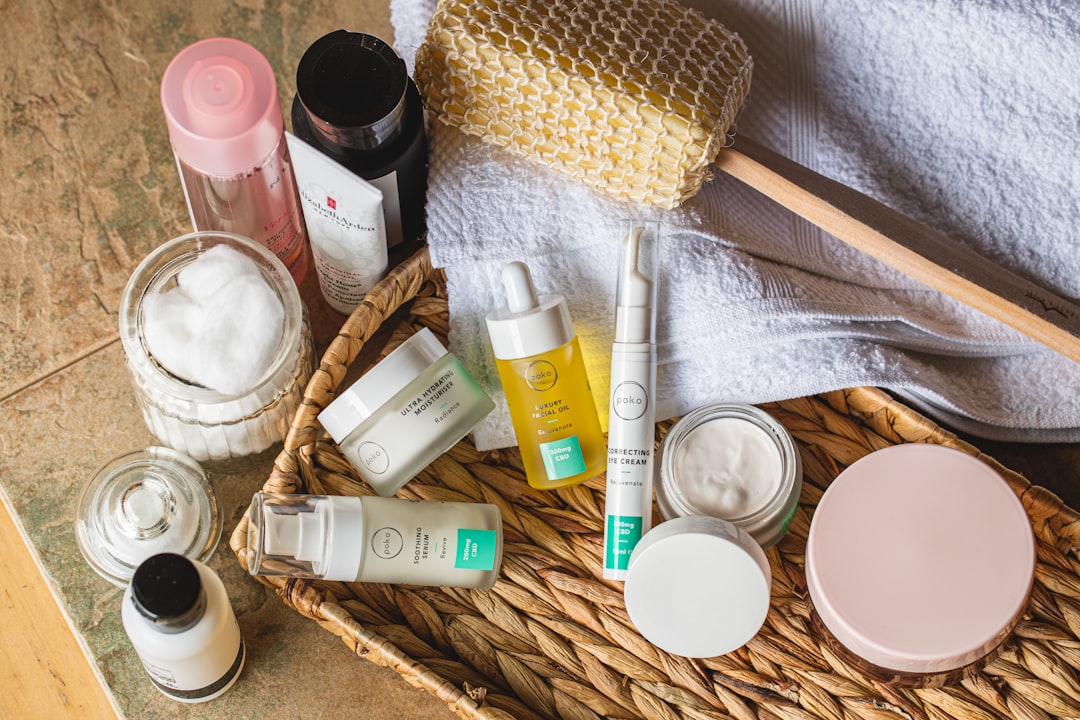
Best Skin Care Essentials for Glowing and Healthy-Looking Skin
Healthy, glowing skin doesn’t require a dozen products — it needs the right essentials used consistently. This guide pares skincare down to the non-negotiables and explains why each step matters, so you can build a simple, effective routine that fits your life.
Good skin care supports overall wellness: hydration, stress management, and proper rest matter as much as the products you apply. For tools and self-care additions that support a calm, restorative routine, check out thoughtful options in the Wellness & Self-Care collection.
1. Gentle Cleanser — The Foundation
Cleansing removes dirt, oil, sunscreen, and makeup so other products can work. Choose a gentle, pH-balanced cleanser that cleans without stripping. For dry or sensitive skin, cream or oil-based cleansers preserve the skin barrier. For oily or acne-prone skin, a gel or foaming cleanser with mild surfactants works well.
Guidelines: cleanse twice a day (morning and night). Use lukewarm water and a soft touch — over-cleansing and hot water can cause redness and dehydration.
2. Targeted Exfoliation — Weekly, Not Daily
Exfoliation sloughs off dead skin cells to brighten the complexion and help products penetrate. Prefer chemical exfoliants (AHAs like glycolic or lactic acid for brightness and hydration; BHAs like salicylic acid for clogged pores) over harsh physical scrubs. Start with a low concentration, use once or twice weekly, and watch for irritation.
Signs you’ve done enough: more even tone, smoother texture, and better serum absorption. If you get redness or sensitivity, reduce frequency or switch to a gentler formula.
3. Hydrating Serums — Active and Simple
Hydration and targeted actives are the most efficient way to improve skin appearance. Two staples to include:
- Hyaluronic acid: lightweight hydration that plumps skin and reduces the look of fine lines. Apply to damp skin for best results.
- Vitamin C (L-ascorbic acid or stable derivatives): morning antioxidant to brighten skin and protect against environmental stressors.
Use serums after cleansing/exfoliating and before heavier creams. If irritation occurs, reduce concentration or alternate nights.
4. Moisturizer — Repair and Protect
A good moisturizer locks in hydration and supports barrier repair. Choose by skin type: oil-free, non-comedogenic lotions for oily skin; richer creams or balms if you’re dry. Look for barrier-supporting ingredients like ceramides, glycerin, and niacinamide. Don’t skip moisturizer even if your skin is oily — lightweight formulas can hydrate without clogging pores.
5. Daily Sun Protection — Non-Negotiable
Sunscreen is the single most important product to prevent premature aging and maintain even tone. Use a broad-spectrum sunscreen with at least SPF 30 every morning, and reapply every two hours when outdoors. Mineral (zinc oxide, titanium dioxide) and chemical sunscreens both work — choose the texture and finish you’ll use daily.
6. Face Oils & Essential Oils — Use Wisely
Face oils can boost moisture and give a dewy finish when layered over moisturizer. For irritated or dry skin, oils with linoleic acid (e.g., rosehip, squalane blends) are beneficial. When using essential oils for scent or targeted support, dilute properly and patch-test first — concentrated essential oils can irritate skin. If you enjoy fragrant self-care rituals, explore the selection in the Essential Oils & Diffusers category for diffuser-safe and topical options, but always follow dilution guidelines.
7. Facial Massage & Tools — Boost Circulation
Gentle facial massage improves lymphatic drainage and radiance. Tools like jade rollers, gua sha, or clean fingertips used with a slip product (oil or balm) can relieve tension and enhance product penetration. Use light pressure and short sessions, and cleanse tools after each use to avoid bacterial buildup. For spa-style self-care items that complement a home routine, see curated options under Massage & Spa.
8. Nighttime Treatments — Repair While You Sleep
The skin repairs itself at night, so nighttime treatments can be more potent. Retinoids (retinol, retinaldehyde) increase cell turnover and improve texture, but introduce them slowly — start with twice-weekly application and build up. Peptides and niacinamide are gentler alternatives for barrier support and tone improvement. Always use a moisturizer on top to minimize irritation.
9. Clean Habits & Environment
Product choice matters, but so do habits: clean pillowcases weekly, avoid touching your face with dirty hands, and stay hydrated. Indoor humidity and air quality affect skin; using a humidifier in dry months and managing stress and sleep routines will support a glowing complexion. If you’re exploring specialty skincare items, the broader Skin Care category can help you compare cleansers, serums, and moisturizers suited to your skin type.
Quick Checklist: Your Minimal Routine
- Cleansing: morning and night — gentle cleanser
- AM: vitamin C serum, moisturizer, sunscreen
- PM: targeted serum (hyaluronic/retinol as tolerated), moisturizer
- Weekly: gentle exfoliation (chemical preferred)
- As needed: facial oil or massage for hydration and circulation
- Lifestyle: sleep, hydration, clean linens, manage stress
FAQ
Q: How many products should I use daily?
A: Keep it simple: cleanser, one targeted serum (AM or PM), moisturizer, and daily sunscreen in the morning. Add one or two extras (exfoliant, retinoid, oil) based on your concerns and tolerance.
Q: Can I use vitamin C and retinol together?
A: They can be effective together but may increase irritation. The common approach is vitamin C in the morning and retinol at night. If combining, introduce gradually and consider buffering retinol with moisturizer.
Q: How do I choose between a chemical and physical exfoliant?
A: Chemical exfoliants are generally gentler and more consistent (AHAs for surface texture, BHAs for pore congestion). Physical scrubs can cause microtears if abrasive. Start with a low-concentration chemical exfoliant and monitor how your skin responds.
Q: My skin is oily — do I still need moisturizer?
A: Yes. Oil production often increases when the skin is dehydrated. Use a lightweight, non-comedogenic moisturizer with humectants (glycerin, hyaluronic acid) and oil-regulating ingredients like niacinamide.
Q: How soon will I see results?
A: Simple improvements (hydration, smoother texture) can appear in days to weeks. More significant changes (texture, hyperpigmentation) usually require consistent use for 8–12 weeks. Track progress with photos rather than expecting overnight fixes.
Conclusion — One Practical Takeaway
Focus on consistency: a short, targeted routine (cleanse, hydrate, protect) used daily will outperform a complex regimen used sporadically. Add actives and tools slowly, monitor how your skin responds, and prioritize sunscreen and barrier support for long-term glow and skin health.