
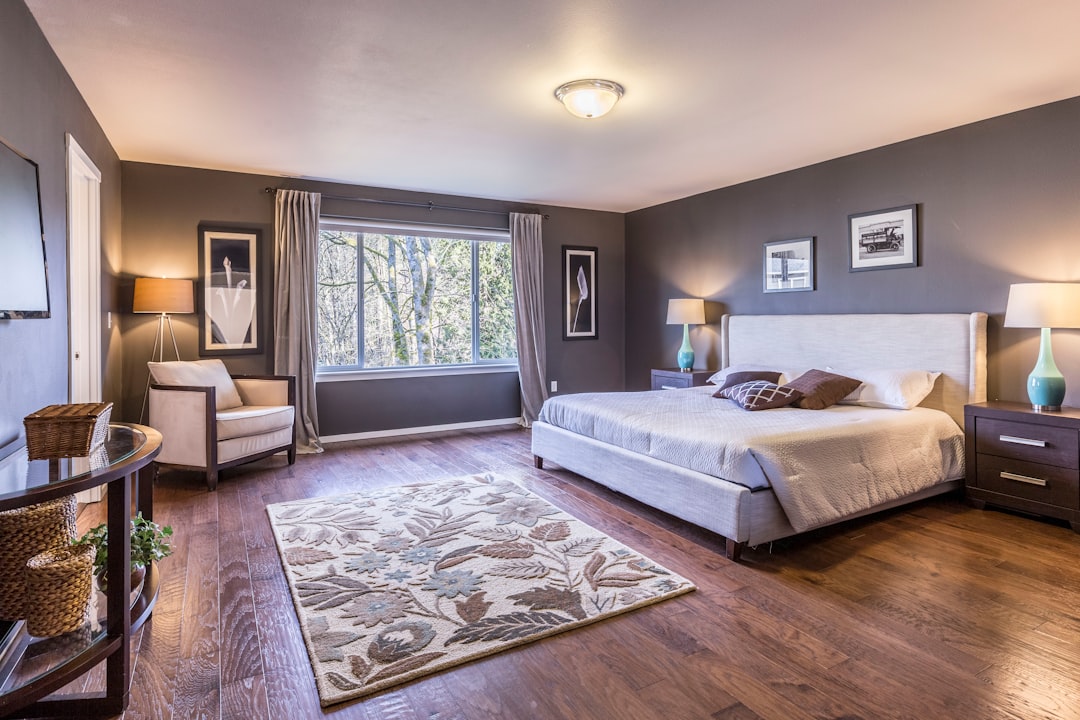
Easy Ways to Make Your Bedroom Look More Relaxing
Your bedroom should be a retreat: calm, clutter-free, and built for rest. Small adjustments to layout, lighting, scent, and texture can transform the space without a full remodel.
This post walks through practical, affordable strategies you can apply this weekend. Each tip focuses on one clear change you can make to increase visual calm and comfort.
1. Start with decluttering and a thoughtful layout
A room that looks relaxing begins with less visual noise. Clear surfaces, hide cords, and remove anything that doesn’t belong in a sleeping space (work papers, exercise gear, overflowing laundry). Keep only essentials on bedside tables: a lamp, a glass of water, and maybe a book.
After decluttering, plan traffic flow. Position the bed so you can see the door from the bed if possible — this improves the psychological sense of safety and order. Avoid blocking windows or creating narrow pathways with extra furniture.
2. Layer lighting for a soft, restful atmosphere
Good lighting is one of the fastest ways to change a room’s mood. Replace harsh overhead bulbs with warm LEDs (2700–3000K). Add several light sources at different heights: bedside lamps, a floor lamp, and subtle accent lighting.
Use dimmers where possible so you can lower brightness gradually in the evening. Consider bulbs with warmer tones for late-night winding down to support melatonin production and reduce eye strain.
3. Choose calming colors and intentional textiles
Color and fabric affect perceived temperature and calm. Soft neutrals, muted blues, sage greens, or gentle greys work well because they don’t demand focus. Keep patterns minimal and scale small to avoid visual busyness.
Prioritize textiles that feel soft and breathable: cotton or linen sheets, a mid-weight duvet, and a few pillows with varied densities. If you need new bedding or decor items that balance comfort and style, check the site’s Home Essentials for options that blend practicality with a refined look.
4. Use scent intentionally to cue relaxation
Scent can be a powerful, non-visual way to make your bedroom feel like a refuge. Lavender, chamomile, and small amounts of eucalyptus are classic choices for calm. Use a diffuser or a few drops of essential oil on a cotton ball tucked away from direct contact with fabric.
For easy access to safe diffusers and blends, explore the selection under essential oils and diffusers. Choose unscented or low-scent products if you share the room or are sensitive to fragrances.
5. Add gentle sound or silence controls
Sound matters. For some people, white noise or soft music helps relaxation; for others, quiet is essential. Invest in a small speaker that can play white-noise tracks, nature sounds, or a calm playlist at a low volume. If you prefer silence, use thick curtains and a rug to dampen outside noise.
Small tech like portable Bluetooth speakers or a dedicated white-noise device can provide consistent, low-level background sound that masks disruptive noise without drawing attention.
6. Bring nature inside — real or realistic
Plants and natural elements reduce visual sterility and add life to a room. Low-maintenance plants like snake plant, pothos, or a small succulent are ideal for bedrooms because they require little attention and improve the look instantly.
If you prefer zero-maintenance greenery that still reads natural, consider realistic faux options. Carefully placed faux plants can add the same calming visual texture without watering or light concerns. A tasteful option is the Der Rose faux plants, which work well on shelves or nightstands when you want greenery with no upkeep.
7. Prioritize tactile comfort and layered textures
Comfortable surfaces invite relaxation. A soft rug underfoot, a throw at the end of the bed, and pillows in varying firmnesses make the bed more inviting. Keep texture natural: cotton, wool, linen, and knitted throws add warmth without visual clutter.
If the room feels cold or hard, add one or two plush elements that are easy to maintain and clean. A single change—a heavier duvet or a quality pillow—can elevate comfort dramatically.
8. Create a simple bedtime routine and cues
Visual and physical cues help the brain switch into “rest mode.” Dim lights, turn off screens 30–60 minutes before bed, use a diffuser with a sleep-promoting scent, and keep a journal or book by the bedside rather than work devices.
If you struggle with sleep onset, consider products and tools in the Stress Relief & Sleep Aids category for non-medical supports like weighted blankets, sound machines, or sleep masks. These items can support routines without over-promising clinical results.
Quick visual checklist
- Clear surfaces and hide cords; keep bedside items minimal.
- Swap harsh bulbs for warm, dimmable lighting.
- Choose calming wall colors and soft, breathable bedding.
- Add one or two plants (real or faux) for natural texture.
- Introduce soft background sound or improve soundproofing.
- Layer rugs, throws, and pillows for tactile comfort.
- Establish a consistent pre-bed routine: lights down, screens off.
Conclusion
Making your bedroom more relaxing is mostly about small, deliberate choices: reduce visual clutter, adjust lighting and scent, add natural textures, and support a consistent bedtime routine. Start with one or two changes this week and build from there—each small improvement compounds into a calmer space.
FAQ
-
Q: What color should I paint my bedroom for relaxation?
A: Soft neutrals, muted blues, sage greens, and warm greys are proven choices because they create visual calm. Avoid overly saturated or highly contrasting palettes.
-
Q: How do I manage scents if my partner is sensitive?
A: Use low-concentration diffusers, scent only when one person is home, or choose unscented calming cues like warm lighting and soft textiles. Test a small amount first and keep ventilation available.
-
Q: Are faux plants a good option?
A: Yes—realistic faux plants are great when light or care are limited. They offer visual texture without maintenance and can be placed anywhere in the room.
-
Q: How much does lighting affect sleep?
A: Lighting influences circadian rhythms. Warm, lower-intensity light in the evening helps prepare your body for sleep; bright, blue-rich light at night can delay sleepiness.
-
Q: Can small changes really make a difference?
A: Absolutely. Simple swaps—dimmer lights, decluttered surfaces, a textured throw, or a calming scent—change how the brain interprets the space and make it easier to relax.
Products Featured in This Article
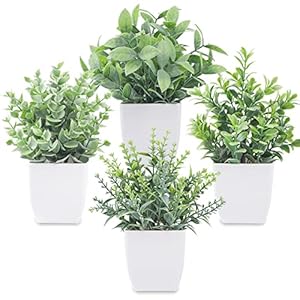
Der Rose 4 Packs Faux Vegetation Mi…
【Package Contains】 4 kinds of faux plants indoor, these artificial potted plants are made of friendly…