
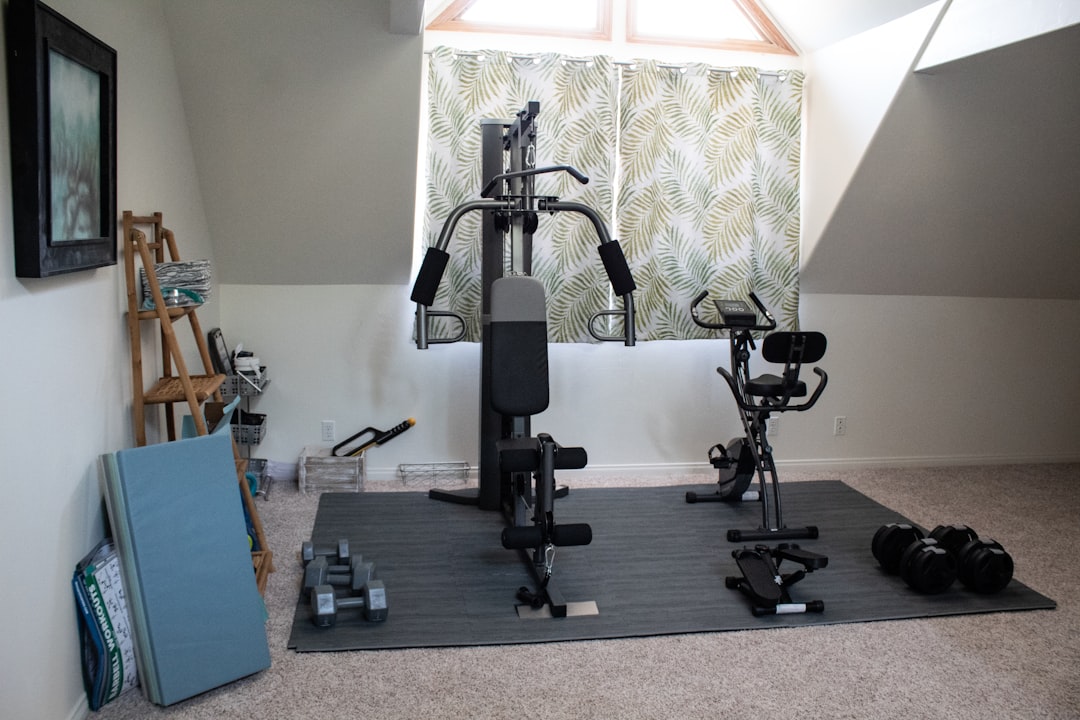
Fitness Gear That Helps You Stay Active at Home
Creating an effective home fitness setup doesn’t require a garage full of equipment. With a few strategic pieces of gear you can cover cardio, strength, mobility, and recovery in a compact, affordable way.
This guide walks through practical options that fit small spaces, budgets, and realistic routines, and explains how to combine them for consistent results at home.
Why the Right Gear Matters
Gear does three things: it makes exercise safer, keeps you motivated, and helps you build variety so workouts don’t stall. Choosing multipurpose and space-efficient items reduces friction and increases the chance you’ll actually use them.
Compact Cardio: Rowers and Low-Impact Options
Cardio is easier to maintain when equipment fits your space and lifestyle. Rowing machines provide a full-body, low-impact workout that scales well for beginners through advanced users. For apartment dwellers or those with limited space, look for compact models with a short footprint and foldable or storable designs.
If you want a reliable, space-friendly option that covers cardio and engages the upper and lower body, consider the Sunny Health & Fitness Compact Full Motion Rowing Machine. Its adjustable resistance and long slide rail make it adaptable for interval training, endurance sessions, and gentle recovery rows.
Strength Basics: Free Weights and Adjustable Options
Strength training is the backbone of a balanced home routine. Start with a pair of dumbbells or an adjustable dumbbell set to save space. Focus on compound movements—squats, deadlifts (or Romanian deadlift with light weights), rows, presses, and lunges—to get the most benefit from minimal equipment.
If you can’t dedicate room to a full rack, use a compact bench or a sturdy chair, and supplement with kettlebells or a resistance band for unilateral work and varied loading patterns.
Resistance Bands: Versatility and Portability
Resistance bands are inexpensive, portable, and excellent for both strength and mobility. They’re ideal for adding progressive overload to bodyweight exercises, assisting pull-ups, or providing band-resisted drives for glute work. Keep a set of light-to-heavy bands and a door anchor for a full range of options.
Comfortable, Functional Clothing
Clothing matters: if what you wear restricts movement or is uncomfortable, you’ll be less likely to exercise consistently. Seek fabrics with moisture-wicking properties, four-way stretch for mobility, and a fit that matches your activity level—snug for cardio, looser for mobility or yoga.
For a reliable everyday layer that transitions from warm-ups to cooldowns, the Under Armour Men’s UA Sportstyle Joggers are a solid choice—they’re comfortable for movement, breathable, and durable for repeated use.
Audio and Motivation: Speakers and Setup
Music and audio cues are powerful motivators. A portable, waterproof speaker is handy if you like to exercise outdoors or move between rooms. Choose a speaker with decent battery life, clear mids for voice cues, and enough bass to drive pacing during cardio intervals.
For crisp sound and reliable portability, try the JBL Flip 5. It’s waterproof and compact, so you can place it near your workout area without worrying about sweat or outdoor use.
Recovery and Mobility Tools
Recovery equipment helps you stay consistent by reducing soreness and improving range of motion. Foam rollers, lacrosse balls, stretching straps, and handheld massagers all have a place in a home kit. Keep recovery items accessible—right next to your mat—so they’re used as part of your routine, not an afterthought.
For more focused recovery products, browse curated recovery and relaxation options in the Massage & Spa section to find tools that match your needs, from rollers to therapy kits.
Space-Saving Storage and Setup Tips
Small space doesn’t mean chaotic space. Use vertical storage: wall hooks for resistance bands, a small shelf or crate for dumbbells, and a flat mat that rolls up and tucks away. A multi-use corner (mat, speaker, light) signals a dedicated workout spot and reduces setup time—a key to consistency.
Invest in a rubber mat to protect floors and mark your workout zone. Keep a water bottle and towel nearby and consider a small basket to hold jump ropes, bands, and yoga blocks.
Putting It All Together: Sample Weekly Plan
Here’s a practical, minimal-gear plan that uses the items above. Modify intensity and volume to match your fitness level.
- Day 1 — Full-body strength (dumbbells or bands): 30–40 minutes
- Day 2 — Row intervals: 20–30 minutes (warm-up, 6–8 x 1 min hard / 1 min easy)
- Day 3 — Active recovery and mobility: foam roll + yoga/stretching, 20 minutes
- Day 4 — Lower-body strength + banded movements: 30–40 minutes
- Day 5 — Steady-state row or mixed cardio: 30–45 minutes
- Day 6 — Upper-body strength + core: 30–40 minutes
- Day 7 — Rest or light walk; prioritize sleep and hydration
Quick Checklist
- Essential: mat, a pair of dumbbells (adjustable or two fixed), resistance bands
- Cardio pick: compact rower or jump rope for limited space
- Motivation: portable speaker with adequate battery life
- Recovery: foam roller and small massage tools accessible
- Clothing: breathable, stretchy layers for comfort and range of motion
- Storage: wall hooks, small shelf, or basket to keep gear tidy
FAQ
-
Q: How much space do I need to start?
A: You can start in a 6×6 foot area. That covers a mat, dumbbells or kettlebell, and most resistance-band work. A compact rower needs more length when in use—check product dimensions, but many fold or sit upright for storage.
-
Q: What’s the most versatile single piece of equipment?
A: Resistance bands offer the best versatility for strength, mobility, and assistance. Adjustable dumbbells are the best for progressive strength work in a small footprint.
-
Q: Do I need a speaker for workouts?
A: No, but a portable speaker greatly improves pacing and enjoyment. Waterproof, compact options allow use outdoors or near sweat-prone zones without worry.
-
Q: How often should I replace my gear?
A: Replace bands if they show nicks or fraying. Replace foam rollers or mats if they lose integrity or become unhygienic. Quality clothing lasts several seasons with proper care.
-
Q: Can I get a full-body workout with minimal gear?
A: Yes. Combining bodyweight exercises, bands, and a pair of dumbbells covers strength, cardio (via intervals), and mobility work effectively.
Conclusion
Staying active at home is about choosing compact, multipurpose gear and creating a dependable routine. Start small: invest in one or two key items, set up a consistent spot, and build habits. With a bit of planning—cardio, strength, motivation, and recovery—you’ll have a sustainable home fitness system that fits your life.
Products Featured in This Article
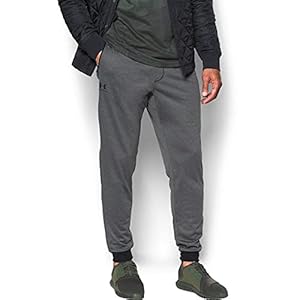
Below Armour Males’s UA Sport…
Sturdy knit cloth with a easy face & a delicate interior to entice heat. Materials wicks…


JBL Flip 5: Transportable Wi-fi Blu…
Up to 20W of Audio Power | Bluetooth 4.2 Technology Supports A2DP, AVRCP | Plays up…