
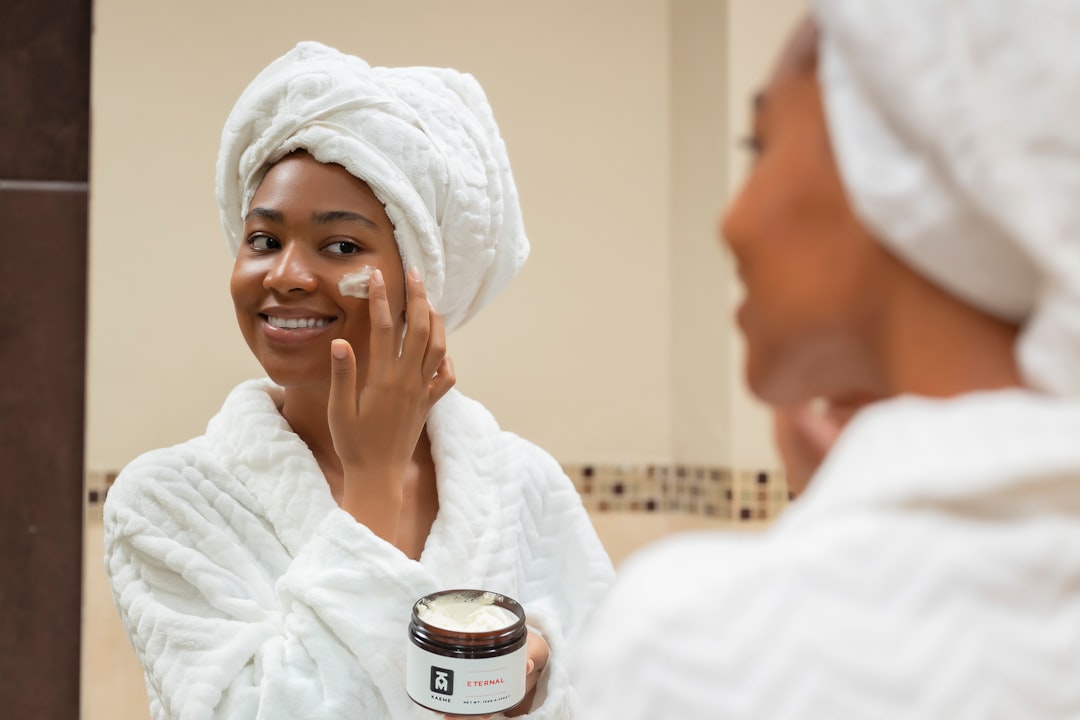
How to Build a Simple Skin Care Routine with the Right Products
Building an effective skin care routine doesn’t need to be complicated or expensive. With a few reliable steps and the right products for your skin type, you can create a simple daily routine that improves texture, hydration, and overall skin health.
This guide breaks down what each step does, how to choose products, practical layering rules, and a checklist you can use when shopping or organizing your bathroom cabinet.
Know Your Skin Type First
Before buying products, identify whether your skin is oily, dry, combination, normal, or sensitive. Look at how your skin behaves: oil at the T-zone suggests combination or oily skin; tightness and flaking point to dryness. If you have redness or stinging from many products, treat it as sensitive skin and choose gentler options.
If you’re shopping for basics or want curated options, browsing a trusted Personal Care category can help you compare ingredient lists and product types in one place.
Core Routine Steps: Cleanse, Treat, Moisturize, Protect
A pared-back routine focuses on four daily steps:
- Cleansing: removes dirt, oil, and sunscreen at night and freshens skin in the morning.
- Treatment (serums/actives): targets concerns like acne, dark spots, or dehydration.
- Moisturizing: restores barrier function and locks in hydration.
- Sun protection: prevents premature aging and damage (daily, even when cloudy).
These steps cover most people’s needs without adding unnecessary layers.
Choosing the Right Cleanser
Select a cleanser that removes impurities without stripping natural oils. Gel or foaming cleansers suit oilier skin; creamy or balm cleansers are better for dry or sensitive skin. If you wear heavy makeup or sunscreen, consider a double-cleanse: oil/balm first, followed by a gentle cream or gel.
Explore targeted options in the Skin Care section to compare cleansers by formulation and skin type.
Serums and Targeted Treatments: Start Small
Serums deliver concentrated active ingredients. Begin with one targeted treatment based on your primary concern:
- Vitamin C (morning) for brightening and antioxidant protection.
- Niacinamide for oil control and barrier support.
- Hyaluronic acid for hydration layering under moisturizer.
- Retinoids (night) for cell turnover and texture improvement—introduce slowly.
Use patch tests when combining actives and introduce one product at a time for 3–4 weeks to monitor results and tolerance.
Moisturizers and Barrier Care
Moisturizers should suit your skin’s needs: lightweight, non-comedogenic lotions for oily skin; richer creams or occlusives for dry skin. Look for barrier-supporting ingredients like ceramides, fatty acids, and glycerin. If sensitivity is a concern, avoid heavy fragrance and alcohol denat. Layer moisturizer over serums while skin is still slightly damp to lock in hydration.
Sunscreen: The Non-Negotiable Step
Broad-spectrum SPF 30+ is essential every morning. Sunscreen protects your skin from UV damage that accelerates aging and interferes with treatments like retinoids and vitamin C. Apply a generous amount—about a nickel-sized dollop for the face—and reapply every two hours when you’re outside. Mineral or chemical sunscreens both work; choose the texture you’re likeliest to use daily.
Weekly Add-ons: Exfoliation and Masks
Once or twice a week, incorporate gentle exfoliation or a mask based on your skin’s tolerance. Chemical exfoliants (AHAs/BHAs) offer controlled resurfacing without the microtears of harsh physical scrubs. Hydrating or clay masks can address moisture or oil balance respectively.
For complementary self-care items like hydrating masks and gentle tools, check categories under Wellness & Self-Care to find thoughtfully selected extras that support relaxation and skin comfort.
Practical Tips for Layering and Patch Testing
Layer products from thinnest to thickest consistency: toner (if used), serum, eye cream, moisturizer, then sunscreen. Wait 30–60 seconds between layers if products are very active, or follow product directions. Always patch test new actives on the inner forearm or behind the ear for 48–72 hours.
If you incorporate face tools (rollers, gua sha) or spa devices, learn proper techniques and hygiene to avoid irritation—resources in the Massage & Spa section can offer ideas for soothing tools and routines.
Common Mistakes to Avoid
- Introducing multiple actives at once — causes irritation and makes troubleshooting hard.
- Over-exfoliating — this weakens the skin barrier and increases sensitivity.
- Skipping sunscreen — all the other steps are undermined without sun protection.
- Chasing the newest trend — stick to proven basics tailored to your skin.
Checklist: Simple Shopping and Routine Setup
- Identify skin type and primary concerns.
- Buy one gentle cleanser, one targeted serum, one moisturizer, and one sunscreen.
- Patch test each new product for 48–72 hours.
- Introduce one active every 3–4 weeks.
- Schedule weekly exfoliation or mask—no more than 1–2 times weekly.
- Keep products stored in a cool, dry place away from direct sunlight.
FAQ
- How often should I cleanse? Twice daily for most people—once in the morning to remove nighttime products and again at night to remove makeup, sunscreen, and pollutants. If your skin is very dry, a single gentle evening cleanse and rinsing with water in the morning may suffice.
- Can I use vitamin C and retinol together? Not at the same time. Use vitamin C in the morning and retinol at night, or alternate nights to reduce irritation. Always pair retinol with sunscreen during the day.
- What if my skin gets irritated? Stop the newest product, return to a minimal routine (cleanser, moisturizer, sunscreen), and allow the skin to recover. Consider consulting a dermatologist if irritation is severe or persistent.
- Do I need an eye cream? Eye creams aren’t required, but they can help with specific concerns like puffiness or dryness. A gentle, hydrating product applied with a light tap works well.
- How long before I see results? Hydration and texture improvements can appear within days to weeks. Changes in pigmentation or fine lines usually take 8–12 weeks of consistent use with effective ingredients.
Conclusion
A simple, consistent routine tailored to your skin type is more effective than a long list of products. Focus on cleansing, targeted treatment, moisturizing, and sun protection. Introduce actives slowly, keep a short checklist handy, and adjust as your skin changes with seasons or lifestyle. Start small, stay consistent, and your skin will respond.