
Home Workout Essentials for Beginners
Starting a home workout routine can feel overwhelming, but with a few smart choices you can build an effective, sustainable setup without breaking the bank. This guide focuses on practical essentials, how to use them, and how to organize your space for consistent progress.
Read on for equipment recommendations, space and safety tips, recovery tools, and a simple checklist to get started. The goal: reliable, low-friction workouts you’ll keep doing.
1. Choose a dedicated, manageable space
You don’t need a whole room—pick a corner where you can move freely for 6–8 feet. Hard floors or low-pile carpet are ideal because they’re stable underfoot. Clear clutter, roll up rugs if needed, and create a small storage area (basket or shelf) so equipment stays accessible.
If you want ideas for compact, functional items to keep your space tidy and multi-use, check the Home Essentials category for storage solutions and small accessories that work well in multipurpose rooms.
2. A good exercise mat: foundation of comfort and safety
A quality mat reduces impact, prevents slippage, and defines your workout zone. For beginners, choose a mat 6mm or thicker for cushioning, and at least 68 inches long so your whole body fits. Clean it regularly—wipe with a mild soap solution and air dry.
3. Versatile basic equipment
Focus on items that cover multiple movement patterns: push, pull, hinge, squat, lunge, and core. Start simple and add as you progress.
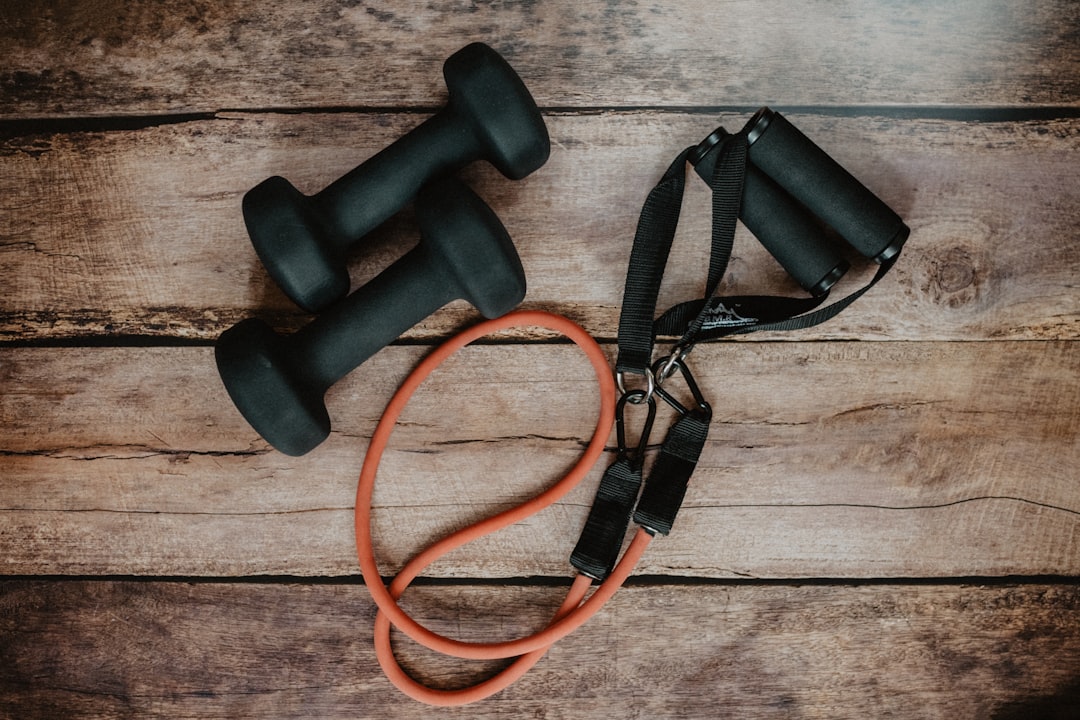
- Resistance bands (loop and tube styles) — excellent for full-body work and progressive resistance.
- Adjustable dumbbells or a small set of fixed dumbbells (5–25 lb range depending on strength) — for rows, presses, squats, and deadlifts.
- Stable chair or bench — for step-ups, tricep dips, and support during balance work.
Keep everything organized and visible so you’re more likely to use it. Small racks or bins from the Home Essentials selection can help keep your gear neat without a dedicated room.
4. Cardio options that fit home life
You don’t need a treadmill to get your heart rate up. Bodyweight circuits, jump rope, stair climbing, or short HIIT sessions work well. If you prefer a machine, consider compact, low-impact options that fit in small spaces.
For an at-home cardio machine that’s space-conscious but still delivers a full-body, low-impact cardio workout, consider a well-reviewed rowing machine like the Sunny Health & Fitness Compact Full Motion Rowing Machine. It offers adjustable resistance and a long slide rail while staying compact when stored.
5. Clothing and footwear that support movement
Choose breathable, moisture-wicking fabrics and clothing with enough stretch for full range of motion. Proper footwear depends on the workout: cross-trainers for mixed sessions, flat-soled shoes for strength training, and supportive sneakers for running or long cardio. Keep an extra clean set of workout clothes to remove a barrier to getting started.
If you’re refreshing basics or want capsule pieces that transition from home to outdoors, browse the Clothing category for versatile options.
6. Simple tech and audio to stay engaged
Use your phone or tablet for guided classes, timers, and tracking. A small Bluetooth speaker or earbuds improve motivation and help you follow audio cues. Keep charging cables and a stable stand so your device is easy to see during sessions.
7. Recovery and self-care for consistency
Recovery is where progress consolidates. Beginners benefit from gentle mobility work, foam rolling, and targeted self-massage after workouts to reduce soreness and improve range of motion. Hydration, sleep, and light stretching are fundamental.
Explore recovery tools and relaxing options in the Massage & Spa section for items like rollers, massage tools, and oils that support muscle recovery and daily relaxation.
8. Programming: simple, progressive, and realistic
Start with 2–4 sessions per week: alternating full-body strength days and short cardio or mobility days is an effective template. Use the principle of progressive overload—add a bit more resistance, reps, or time each week. Keep sessions 20–45 minutes to make them sustainable.
Sample beginner week:
- Mon: Full-body strength (3 sets of 8–12 reps)
- Wed: Cardio intervals (20 minutes) + mobility
- Fri: Full-body strength (different exercises)
- Sun: Active recovery (walking, stretching)
Checklist: Home Workout Essentials
- Designated 6–8 ft space and tidy storage
- Exercise mat (6mm+) and towel
- Resistance bands and at least one set of dumbbells
- Stable chair or bench
- Comfortable, movement-friendly clothing and proper shoes
- Phone/tablet + charger and a small speaker or earbuds
- Recovery tools: foam roller or massage tool, hydration plan
- Simple weekly plan with 2–4 sessions
FAQ
- How much space do I really need? About a 6×8 ft area is adequate for most bodyweight moves and small equipment. Larger machines need more clearance.
- Which equipment should I buy first? Start with a mat, resistance bands, and one or two dumbbells. Add cardio or larger equipment as your routine solidifies.
- How do I prevent injury at home? Prioritize proper warm-ups, controlled movements, and gradual progression. If you’re unsure about form, use reputable video coaching or short virtual sessions with a trainer.
- Do I need a membership or subscriptions? No. Many free routines and beginner programs exist online. Subscriptions can be helpful for structure but aren’t required to make progress.
- How do I stay motivated? Keep gear visible, set small measurable goals, track workouts, and vary sessions. Music or short classes (20–30 minutes) can make it easier to start.
- Can I combine strength and cardio in one session? Yes—circuit training and interval formats combine both and are time-efficient for beginners.
Conclusion
Start with a small, consistent setup: mat, bands, a couple of weights, and dependable shoes. Organize your space, plan short sessions, and prioritize recovery. With these essentials in place you’ll reduce excuses and build a habit that scales as you get stronger.
Products Featured in This Article
