
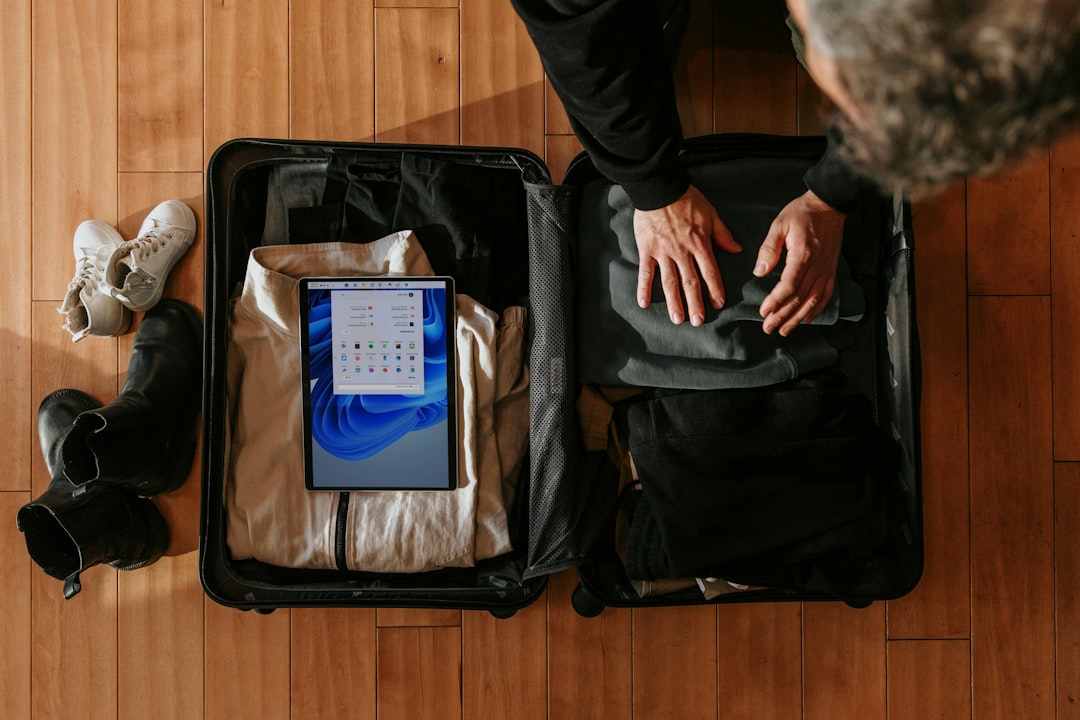
How to Pack Smarter with the Right Travel Gear
Packing smarter isn’t about fitting more into your bag — it’s about choosing the right gear and systems that reduce stress, protect your belongings, and make moving between destinations seamless. With a few purposeful investments and habits, you’ll travel lighter, stay organized, and be prepared for whatever the trip throws at you.
This guide lays out practical gear choices, packing strategies, and small comforts that together create a smoother travel experience. Each section focuses on actionable tips and the types of products worth prioritizing so you can build a travel kit that actually simplifies your life.
Choose the Right Bag First
Your packing success starts with the bag. For short trips a carry-on with structured compartments and a clamshell opening speeds up packing and security checkpoints. For longer journeys, a checked roller with durable wheels and a lockable zipper is more practical. Look for:
- Lightweight but sturdy shell or high-denier fabric
- Padded laptop compartment if you carry devices
- External pockets for items you need mid-transit (passport, boarding pass, phone)
- Compression straps to stabilize contents
A good bag reduces the number of separate cases you need and prevents overpacking by making organization clear and accessible.
Packing Cubes and Organization Systems
Packing cubes transform messy suitcases into labeled zones. Use three sizes: small for underwear/accessories, medium for shirts/tops, large for pants and jackets. Benefits:
- Quick visual inventory — you can see what’s where without upsetting everything
- Compression options for maximizing space
- Separated clean and dirty clothing layers
Add a slim toiletry pouch that stands upright for liquids, and a document sleeve for tickets and confirmations. When selecting cubes and pouches, choose water-resistant materials and reinforced seams to last through multiple trips.
Pack Smarter Clothing (Versatility Over Volume)
Make every garment earn its place. Focus on neutral colors, interchangeable layers, and fabrics that resist wrinkles and dry quickly. A capsule approach—3 tops, 2 bottoms, 1 light jacket, and versatile shoes—works for many trips. When you need travel-specific pieces, look for purpose-built items in the Clothing section to simplify choices and prioritize comfort.
Tech & Gadgets: Bring Essentials, Not Excess
Tech choices should solve specific problems: power, connectivity, and entertainment. Pack a compact power bank with pass-through charging, a multi-port wall charger, and a short set of quality cables. If you work on the road, a slim travel mouse and a protective sleeve for your laptop are worth the space. Consider lightweight versions of any device you carry — smaller often means easier to pack and less likely to be forgotten.
For curated options and travel-ready devices, check the Tech & Gadgets selection to find dependable, compact electronics that perform well without adding bulk.
Protecting Camera Gear and Accessories
If you bring a camera or lenses, pack them in a padded insert or a dedicated camera bag you can stow inside your main suitcase. Use lens caps and protective pouches, and store batteries and memory cards in hard-case organizers to prevent crushing or moisture damage. For simpler travel photography needs—compact point-and-shoots or mirrorless systems—look for lightweight kits in the Photography category that balance image quality with portability.
Toiletries & Personal Care: Smart Containers and Essentials
Toiletries can be messy in transit. Choose leak-proof bottles, a clear travel sleeve for airport security, and solid-format products (bar shampoo, solid lotion) to minimize liquid volume. Keep a small first-aid kit, blister patches, and a foldable toothbrush on hand for emergencies. For compact, travel-focused grooming and personal-care items, browse the Personal Care selection to pick items that meet TSA rules and travel durability.
Security, Documents, and Everyday Carry
Organize documents in one slim travel wallet: passport, emergency contacts, a photocopy of your ID, and travel insurance info. Use RFID-blocking sleeves for added safety if you’re carrying cards with chips. Keep a small padlock for checked luggage and small cable ties or zip-ties as cheap tamper indicators. A lightweight money belt or neck pouch under clothing provides extra peace of mind in crowded areas.
Comfort and Wellness on the Road
Small comfort items can change a long travel day: a compact travel pillow, earplugs, and a good sleep mask improve rest in transit. Include a minimal-first-aid kit and a few trusted over-the-counter remedies for headaches or upset stomachs. Compressible items like a travel blanket or a packable jacket double as both clothing and comfort gear without taking much space.
Laundry, Care, and Repacking Strategies
Plan for mid-trip laundry to reduce packed quantities. Pack a tiny bottle of detergent or laundry soap sheets and a travel clothesline. Roll clothes for quick drying and to minimize wrinkles, and always refold and repack a few minutes before check-out to prevent last-minute stress. Keeping an empty, compressible bag for dirty laundry keeps odors separate and makes unpacking faster.
Packing Checklist
- Appropriate carry bag and a checked bag (if needed)
- Packing cubes (small, medium, large)
- Capsule wardrobe pieces (neutral, layerable)
- Compact tech kit: power bank, cables, multi-port charger
- Toiletry pouch with leak-proof containers and a fold toothbrush
- Camera bag or protective insert and spare batteries
- Document wallet, padlock, and RFID sleeves
- Small comfort items: sleep mask, earplugs, travel pillow
- Mini laundry kit and collapsible dirty bag
FAQ
Q: What’s the single best investment to pack smarter?
A: A quality, right-sized bag. It dictates how you organize and how much you can realistically carry.
Q: Are packing cubes worth it?
A: Yes. They speed up packing, simplify outfit choices, and reduce the temptation to overpack.
Q: How do I keep liquids from spilling?
A: Use travel-specific leak-proof bottles, seal them in a zippered pouch, and place them upright in your bag’s middle section.
Q: What tech should I never forget?
A: A reliable power bank, the correct charging cables, and a compact wall charger. Consider portable Wi‑Fi solutions if you need consistent connectivity.
Q: How can I travel lighter with camera gear?
A: Choose one versatile lens, carry a lightweight camera body, and use a padded insert instead of a full external case when possible.
Conclusion — Practical Takeaway
Packing smarter is a combination of the right base gear and consistent habits: choose a good bag, limit clothing to versatile pieces, protect electronics, and organize with cubes and pouches. With thoughtful purchases and a simple routine, travel becomes less about what you brought and more about how well you can move through your trip.